
TLDR;
Mid-season AC maintenance keeps your system running efficiently, prevents breakdowns, and improves comfort. Checking airflow, refrigerant, filters, drainage, and controls helps spot small issues before they become costly repairs. Regular upkeep with high-quality accessories extends system life, lowers energy bills, and maintains healthy indoor air quality.
Your air conditioning system works hard to keep your home comfortable, especially during warm and humid months. Yet, problems often appear at the most inconvenient times, like on the hottest, stickiest days.
Regular maintenance helps your AC perform at its best, keeping your indoor environment cool, healthy, and comfortable. Mid-season maintenance is a proactive step that catches small issues before they turn into costly repairs.

Signs You Should Schedule Mid-Season AC Maintenance
Even if your AC seems fine, a few subtle signs can indicate that it’s time for a mid-season check. Staying on top of these signals can save you money, extend your system’s lifespan, and prevent unexpected breakdowns.
Reduced Cooling Performance
If the air blowing through your vents isn’t as cold as before, it could mean your system is struggling with low refrigerant levels, blocked filters, or a failing compressor.
Over time, this reduces comfort and puts extra strain on your AC components, increasing the risk of breakdowns. Regular maintenance identifies these issues early and restores proper cooling efficiency.
Thermostat Malfunctions
A thermostat that doesn’t respond, cycles too frequently, or shows incorrect temperatures can disrupt your indoor comfort. This may signal sensor problems, loose wiring, or calibration issues. Addressing these during mid-season AC maintenance helps your system run efficiently and prevents unnecessary energy use.
Weak Airflow
Low airflow from your vents often points to clogged air filters, blocked ducts, or problems with the blower motor. Weak airflow can lead to uneven cooling, higher energy consumption, and stress on the system. Checking airflow during maintenance helps maintain optimal circulation throughout your home.
Uneven Cooling
Rooms that are warmer or cooler than others may indicate airflow imbalances, low refrigerant, or blocked vents. Over time, uneven cooling can cause parts of your system to work harder, resulting in wear. A mid-season service can identify the source and correct it for consistent comfort.
Unusual Odors
Musty, sour, or chemical smells from your vents often indicate mold, mildew, or bacterial growth inside the system. These odors affect indoor air quality and can trigger allergies. Cleaning coils, ducts, and checking drainage during maintenance eliminates odors and promotes healthier air.
Louder Than Normal Operation
Grinding, rattling, hissing, or other unusual noises signal that components may be loose, worn, or failing. Ignoring these sounds can lead to major mechanical failure. Mid-season checks allow technicians to tighten, lubricate, or replace parts before they cause costly damage.
Poor Humidity Removal
If your AC isn’t effectively removing humidity, it can leave your home feeling sticky and uncomfortable. This may result from a dirty evaporator coil, clogged condensate line, or insufficient refrigerant. Maintenance helps restore proper dehumidification and prevents mold growth.
Leaks Around the Unit
Water or refrigerant leaks are serious and can damage walls, floors, and AC components. Leaks may come from a clogged condensate line, cracked pan, or failing refrigerant seal. Early detection during a mid-season service prevents further damage and keeps your system efficient.
Rising Energy Bills
However, a sudden increase in energy bills may indicate your AC is working harder than it should be. Mid-season AC maintenance is one of the best ways to restore your system’s efficiency, lower electricity costs, and reduce overall wear and tear.
Why Age Matters for Your AC System
Older systems are more prone to malfunction and energy inefficiency. Typically, an average American spends around $2,000 on energy annually. Out of that, $200 to $400 could be going to waste from drafts, air leaks around openings, and outdated heating and cooling systems.
Generally, units over eight years old often struggle to meet modern energy standards. If your AC is more than 14 years old, repairs can become costly. Investing in a new, energy-efficient system may save money over time. Until then, mid-season maintenance can catch small problems early and keep your system running reliably.
What Mid-Season AC Maintenance Covers
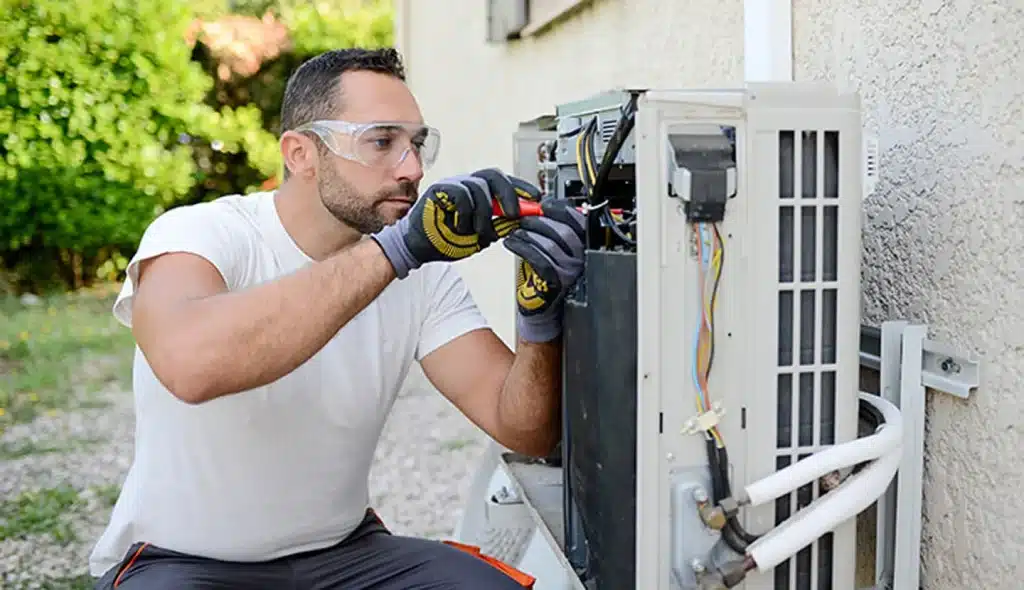
A mid-season AC maintenance visit focuses on keeping your system running efficiently and preventing minor issues from turning into costly problems. Technicians inspect key components, address performance concerns, and use quality accessories to protect your system.
Filter and Coil Cleaning
Dirty filters and coils restrict airflow, forcing your system to work harder. Cleaning or replacing these components improves cooling performance, reduces energy use, and extends the lifespan of your AC.
Refrigerant Levels
Low or imbalanced refrigerant can strain the compressor and reduce cooling capacity. Checking and adjusting refrigerant levels prevents system overload, provides efficient operation, and maintains consistent indoor temperatures.
Electrical Connections
Loose or worn wiring and electrical connections can lead to component failure or safety hazards. Inspecting these connections during maintenance prevents shorts, protects critical parts, and reduces the risk of system breakdowns.
Drainage Systems
A clogged condensate line or faulty drain pan can cause water damage, mold growth, and poor humidity control. Clearing and inspecting these systems keeps your AC safe, clean, and operating at peak efficiency.
System Controls
Properly calibrated thermostats and sensors keep your AC cycling correctly and maintain set temperatures. Mid-season checks prevent short cycling, uneven cooling, and unnecessary energy consumption.
Using durable HVAC accessories from Inaba Denko America, such as condensate drain hoses, lineset covers, mounting systems, and pipe support, improves long-term system performance and simplifies maintenance tasks.
How to Prepare for a Mid-Season AC Check
Preparing for a mid-season AC inspection helps your technician work efficiently and ensures your system gets the attention it needs. A little preparation on your part can save time, reduce surprises, and improve service outcomes.
- Clear any debris or obstacles around your outdoor unit.
- Make sure indoor vents and filters are accessible.
- Note any unusual noises, odors, or uneven cooling.
- Have the system’s age, model, and last service date ready.
- Schedule a time that allows a full inspection.
- Secure pets and move fragile items near the indoor unit.
Keep Your AC Running Smoothly
Mid-season AC maintenance is not just a precaution. It’s a way to protect your comfort, health, and investment. By identifying and resolving issues early, you avoid unexpected breakdowns and costly repairs. Whether your system is new or approaching its later years, regular maintenance keeps it efficient, reliable, and ready for the peak summer heat.
When you schedule regular maintenance or need upgrades, use high-quality HVAC accessories from a reliable brand like Inaba Denko America. From pipe support to condensate management and lineset covers, we offer everything you need to keep your system running efficiently. We design products for commercial and residential HVAC systems.
Contact us today to learn more about products.
FAQs About Mid-Season AC Maintenance
Q1: How often should I schedule mid-season maintenance?
Most systems benefit from one mid-season check in addition to annual maintenance. Homes in high-humidity or dusty areas may need more frequent service.
Q2: Can I do mid-season maintenance myself?
You can clean or replace filters, but professional inspection is recommended for electrical connections, refrigerant levels, and drainage systems to prevent damage.
Q3: Will mid-season maintenance reduce my energy bills?
Yes. Cleaning coils, checking refrigerant, and clearing obstructions improves efficiency, helping lower energy costs while maintaining consistent cooling.
Q4: How long does a mid-season service visit take?
A thorough mid-season inspection typically takes 1–2 hours, depending on system complexity and any additional work needed, like cleaning coils or checking line sets.
Q5: What if my AC is over 10 years old?
Even older units benefit from mid-season service. You may also consider planning for a new energy-efficient system to save on repairs and operating costs in the long run.
