
TL;DR
To reduce installation time for multi-zone mini split systems, focus on preparation, smart layout choices, and efficient materials. Pre-insulated line sets like Paircoil™ save hours by eliminating manual insulation steps.
Pipe support systems such as SuperLock™, TKL, and FL Crosslock provide faster, cleaner mounting with minimal tools. Organizing tools, preassembling components on the ground, and testing each branch as you go all cut delays and rework. Effective crew communication and post-project reviews also improve long-term efficiency. With Inaba Denko America’s durable and precision-engineered HVAC accessories, contractors can complete mini split installations faster without sacrificing quality or reliability.
Mini split systems have become increasingly popular, especially in multi-story buildings across cities like New York, where you need efficient space and temperature management. They offer flexible zoning options that allow you to control temperatures in individual rooms. Another plus point is that ENERGY STAR®-certified mini splits can use up to 60% less energy than standard electric radiators.
While multi-zone systems deliver impressive comfort and efficiency, installing mini split systems is usually time-consuming. Each indoor unit requires its own refrigerant lines, electrical connections, and drainage systems, which adds complexity to the job. Reducing mini split installation time requires streamlining your process, selecting the right materials, and managing each phase efficiently.
If you’re an HVAC contractor or part of a crew providing mini split installation services, these tips will help you complete multi-zone projects faster and more effectively.
1. Start with Smart Planning
Before touching a single tool, create a detailed installation plan. Know the number of zones, where each indoor unit will go, and how far each line needs to run from the outdoor unit.
Mapping out your mini split installation lets you identify the easiest routes for refrigerant lines and condensate drains. It also helps you plan electrical connections in line with the local building and fire safety codes.
Taking the time to plan means fewer surprises during actual installation, with no wasted runs, re-routing, or delays.
Pro Tip: Sketch your line routes on the floor plan. It helps your crew visualize the job better than verbal directions.
2. Pre-Measure and Pre-Prepare Line Sets
In a multi-zone system, each indoor head connects to the same outdoor unit through separate copper lines. Traditional installation means cutting, flaring, and insulating each set by hand. That process is slow and leaves more room for inconsistencies.
This is where pre-insulated line sets can make a big difference. Using a product like Paircoil™ is a practical upgrade. Paircoil™ comes pre-insulated and pre-paired, which eliminates steps like manually taping or sliding insulation over copper.
Instead of handling several loose pipes per zone, you can route pre-paired sets directly between the indoor and outdoor units. This means cleaner routing, reduced material waste, and less on-site prep time.
If you use Paircoil™, you will typically save hours per mini split installation, especially in 3- to 5-zone systems. And with fewer manual steps, you can provide consistent quality for every job.
3. Use Pipe Support Systems that Speed Up Setup
Pipe management is another area you need to think about when installing a mini split system. Unsupported or poorly mounted pipes can sag, twist, or vibrate, increasing system noise and reducing long-term reliability.
Instead of improvising with brackets or blocks, use systems designed for the job. Inaba Denko America offers pipe support systems like the SuperLock™, TKL, and FL Crosslock series. These mounting solutions simplify how pipes are secured and aligned.
The benefit is not only stability but also speed. As these components snap or lock into place with minimal tools, you can finish any mini split installation quickly and effectively. That saves time compared to custom fabrications or generic brackets. Well-supported pipes also make the system look more professional and make service visits easier later on.
4. Reduce Wall and Ceiling Work with Better Layout Choices
When installing a mini split system in tight spaces or finished buildings, chasing walls or ceilings for line routing eats up hours. Identify wall cavities, soffits, or exterior pathways early in your survey.
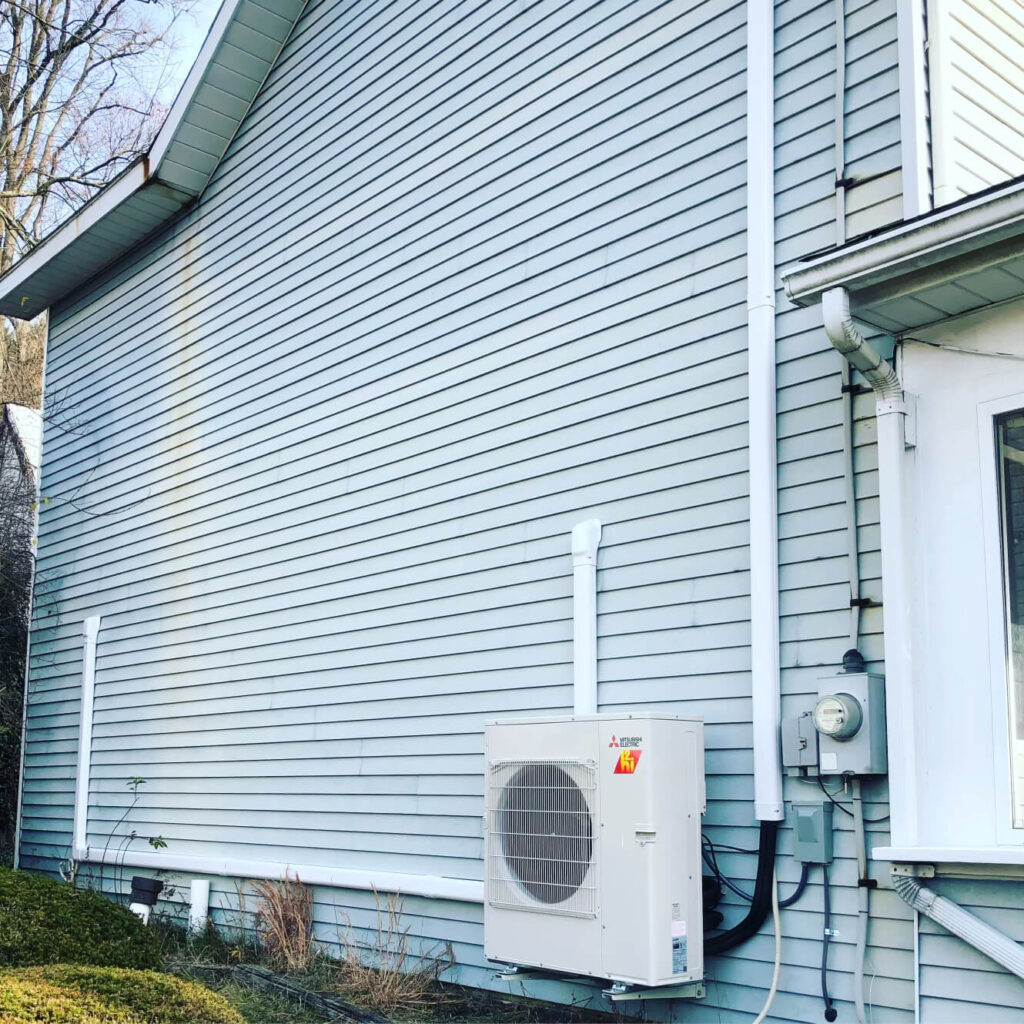
Whenever possible, choose the right line set covers and install them along exterior walls to route the connections neatly outside instead of hidden within walls. This approach not only shortens installation time but also simplifies service access later.
If you install multiple heads in one area, consider placing them on walls that share a common chase. It reduces both drilling and copper length. Plus, your crew can easily handle service requests afterwards.
5. Simplify Flare and Connection Work
Improper flares are one of the biggest causes of refrigerant leaks. Reworking leaks adds time, cost, and frustration. It also sends a negative message to your valued customers, reflecting poorly on your mini split installation service.
Use high-quality flare tools with consistent torque control to speed up your workflow and reduce the chance of redo. Some mini split installers prefer flaring kits that match manufacturer specs perfectly for consistent compression every time.
Also, pre-measure and mark your flare depth before starting the job. These small details keep all the HVAC connections clean and accurate.
6. Pre-Assemble Components on the Ground
When working on rooftops or elevated sites, transporting each component separately increases the number of trips between the ground and the roof. That adds unnecessary labor, not to mention safety risks
Pre-assembling mounting frames, brackets, or outdoor-unit stands on the ground cuts setup time significantly. You can then lift the entire assembly into position in one go.
Using modular mounting systems helps even more. Components like the S-Type SuperLock support can be quickly connected without cutting or drilling on-site, which reduces your labor time and installation mess.
7. Keep Your Tools and Supplies Organized
Nothing slows down a mini split installation service like misplaced tools or missing fittings. Create a system to keep your equipment organized from the beginning.
- Dedicate bins or small toolboxes for flare nuts, line set covers, and drain connectors.
- Label tool bags for specific types of work (electrical and refrigerant tools).
- Maintain a running checklist for each project so your team knows what’s been used and what’s still needed.
In addition to saving time, organization keeps morale up because your crew doesn’t have to search for parts mid-job. That, in turn, speeds up your mini split installation.
8. Test as You Go
In multi-zone mini split systems, it’s easy to focus on getting all units connected first and testing later. But testing each line as you complete it can help you identify issues early.
Perform vacuum and pressure tests for each branch before moving on to the next. This way, if something goes wrong, you know exactly which section caused it. Fixing small issues during installation beats tracking down leaks once the system is fully sealed.
9. Use Communication Tools on Site
If you’re managing a team of mini split installers, keeping everyone coordinated matters as much as the tools you use. Shared workspace apps, project boards, or simple group chat updates can help you track progress and highlight potential issues quickly.
When one crew finishes routing lines for a specific zone, they can notify the electrical team to move in. Clear updates help reduce idle waiting time and improve workflow on multi-zone jobs.
10. Learn from Each Project
Every mini split installation is a learning opportunity. After finishing it, take ten minutes to discuss what slowed the job down and what helped speed it up. Document those insights.
Over time, you’ll build a repeatable process that cuts set-up time across projects. Whether it’s pre-insulating with Paircoil™ or using pipe support systems that hold steady, each improvement compounds into faster, cleaner jobs.
Speed Up Your Mini Split Installations with Inaba Denko America
The fastest way to reduce installation time for multi-zone systems isn’t only about working harder; it’s about working smarter. It involves everything from efficient planning and modular components to time-saving accessories.
Pre-insulated line sets like Paircoil™ simplify copper handling and insulation. Pipe support systems give your work stability and a professional finish. Together, they reduce the hours spent per system, freeing you to complete more jobs without compromising quality.
Inaba Denko America also offers several other HVAC accessories, which can help you in installing a mini split system stress-free and with code-compliance. And in the competitive HVAC market, this efficiency can set your service apart.
For more information on our products or to place your order, please get in touch with our experts or call 310-943-7520.
FAQs
1. How can I reduce installation time for a multi-zone mini split system?
Plan your layout early, use pre-insulated line sets like Paircoil™, and select pipe support systems that snap or lock into place. These solutions minimize manual work and speed up routing, flaring, and mounting.
2. What are the benefits of using Paircoil™ line sets?
Paircoil™ is pre-insulated and pre-paired, which removes the need to cut, flare, or insulate copper manually. It improves consistency, reduces material waste, and shortens installation by several hours on multi-zone projects.
3. Why are Inaba Denko’s pipe support systems useful for mini split installations?
Systems like SuperLock™, TKL, and FL Crosslock series offer secure alignment and quick assembly without the need for cutting or drilling. They reduce setup time, eliminate sagging pipes, and improve the overall appearance and service accessibility.
4. What layout strategies can help reduce wall and ceiling work?
Identify shared walls, soffits, and exterior pathways during planning. Installing line set covers along exterior walls avoids hidden chases, simplifies maintenance, and saves hours of wall and ceiling work.
5. How does team communication affect mini split installation time?
Get real-time updates via chat or shared project boards to manage teams handling electrical, refrigerant, and mounting work. It prevents downtime and keeps progress steady across zones.
6. What post-installation practices can improve future efficiency?
After each job, document which steps slowed progress and which tools or materials helped. Over time, this review creates a repeatable system that maximizes speed and consistency on future mini split projects.
