
TL;DR
Lineset remediation is crucial for HVAC system longevity. Proper cleaning, testing, and protection of refrigerant lines with products like Slimduct RD help avoid system failure, improve performance, and reduce future costs.
In retrofit or system replacement projects, one of the most overlooked components is the refrigerant lineset. These copper lines, critical for transporting refrigerant between indoor and outdoor units, may appear to be reusable initially.
However, after years of exposure to oil, moisture, and oxidation, their integrity may have been compromised. If a new system is installed without proper remediation or replacement of these linesets, contaminants can pose a significant risk to system performance. They can lead to compressor failure, acid formation, and reduced overall system efficiency.
What Is a Lineset in HVAC?
A lineset in HVAC refers to the copper piping that carries refrigerant between the indoor and outdoor units of an HVAC system. The lineset typically includes both the suction and liquid lines, along with insulation to prevent energy loss and protect the system from external damage.
Proper protection and maintenance of the components are crucial for optimal system performance. Remediation is necessary if the linesets have been exposed to contaminants or environmental stress.
Why Do HVAC Systems Need Lineset Remediation?
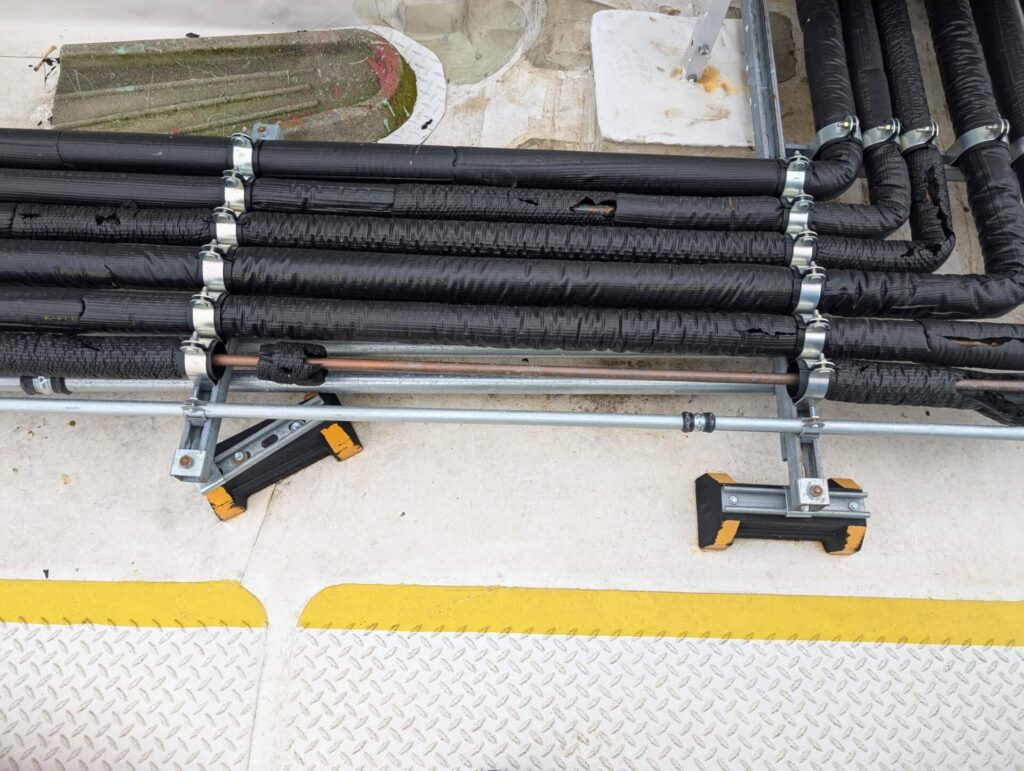
Lineset remediation is a key step in preserving the longevity and overall performance of your HVAC system. Over time, refrigerant lines can degrade due to wear and tear, loss of insulation efficiency, and contamination, particularly when exposed to outdoor elements.
Remediation allows contractors to reuse lineset components that are still in good condition. This not only reduces waste and installation costs but also keeps the entire HVAC system operating safely and efficiently.
For systems with exterior linesets, proactive remediation helps prolong the service life and protects against environmental factors like UV rays, corrosion, and physical damage. It’s a vital part of the system’s maintenance routine and can help avoid future issues down the road.
Ideally, you should prevent future damage by proactively protecting your linesets. One of the best ways to do this is by using the Slimduct RD commercial lineset cover. It protects your lines from UV rays, corrosion, and mechanical damage. It keeps your system in peak condition for years to come while maintaining a clean and professional finish.
Contaminants such as burnt oil residue or acids from a failed compressor can cling to the inside of copper lines. If not removed, these can circulate through the new system, causing damage to critical components such as expansion valves and coils.
Proper lineset remediation guarantees that your refrigerant system functions efficiently without being affected by contaminants that could compromise its performance.
The Importance of HVAC Line Set Hangers
When it comes to lineset remediation, HVAC line set hangers, like the SVR SuperLock, play a critical role in maintaining the integrity of the refrigerant lines. These hangers secure the lines, keeping them properly aligned and protected from mechanical stress.
By positioning the lines correctly, hangers help prevent wear and damage that could otherwise affect the system’s performance. Using high-quality hangers also prevents issues such as poor insulation and improper refrigerant flow, which can negatively impact system efficiency.
When installed correctly, hangers support the longevity of the system by reducing strain on the lines and keeping them in place, avoiding future leaks or operational problems.
The Remediation Process
A thorough lineset remediation includes several essential steps to make sure that your system is in the best shape possible for the long term. Here’s how the process works:
Assessment and Pressure Testing
Before starting, the technician will assess the condition of the existing lineset, making sure it meets the required specifications for size, insulation, and integrity. Pressure testing is then performed to verify there are no leaks or weak joints.
Cleaning and Flushing
During this step, specialized flushing agents or solvents are used to dissolve and remove any contaminants within the tubing. After the cleaning process, nitrogen purging is used to clear out any remaining residues and moisture, so the lineset is completely clean before being reused.
Replacement (When Necessary)
If the lineset is severely contaminated or the insulation has been damaged, replacing the lineset may be necessary. This step is a must, so the new system won’t face any hidden issues from the previous setup.
Protection and Aesthetic Enclosure
After the remediation or replacement process, the lineset should be properly enclosed. Using a protective covering like the Slimduct RD Walkway Cover not only provides long-term protection against UV rays, impact, and environmental exposure, but it also keeps the system looking polished and professional.
Case in Point: An Apartment Retrofit Success
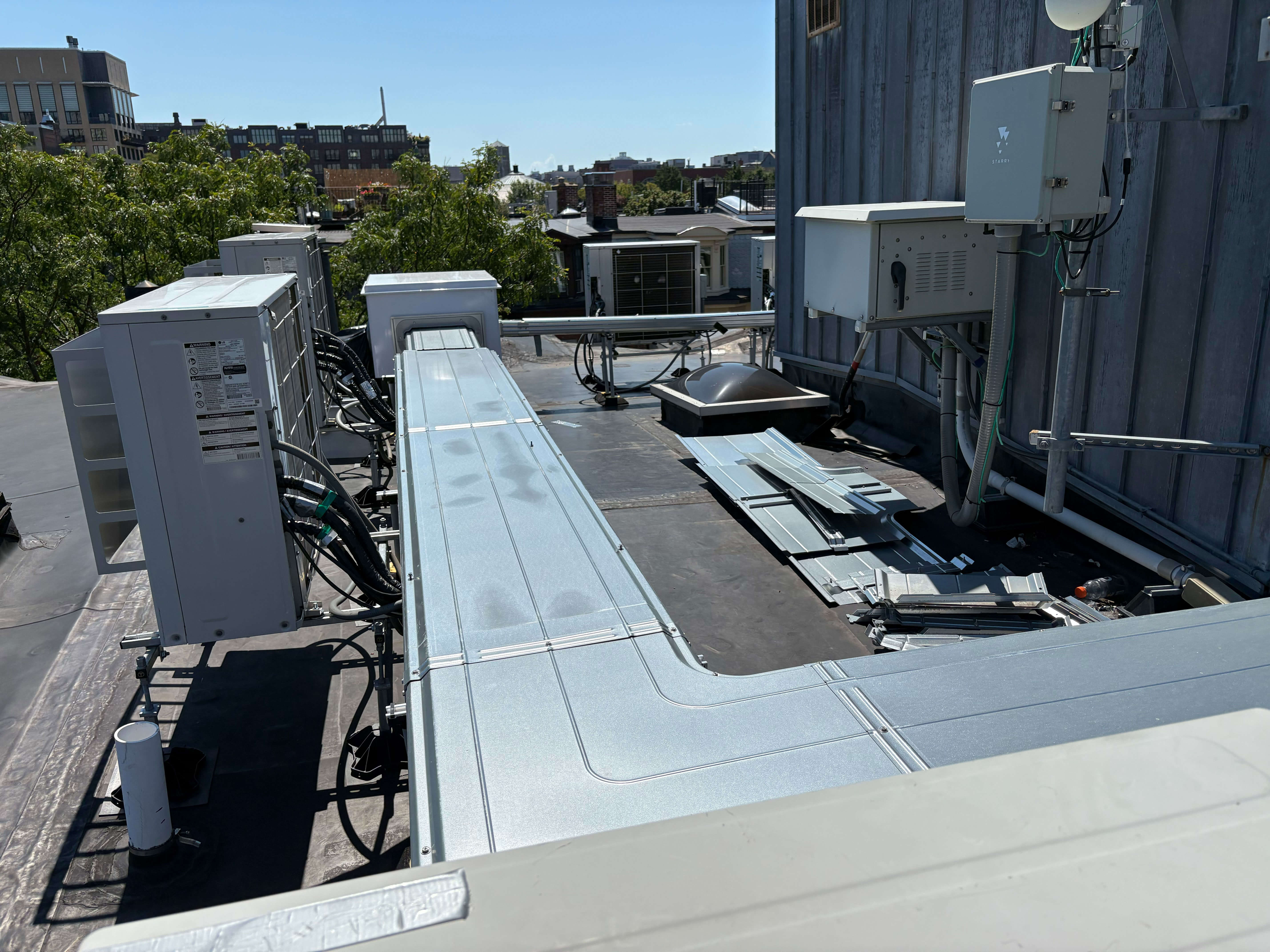
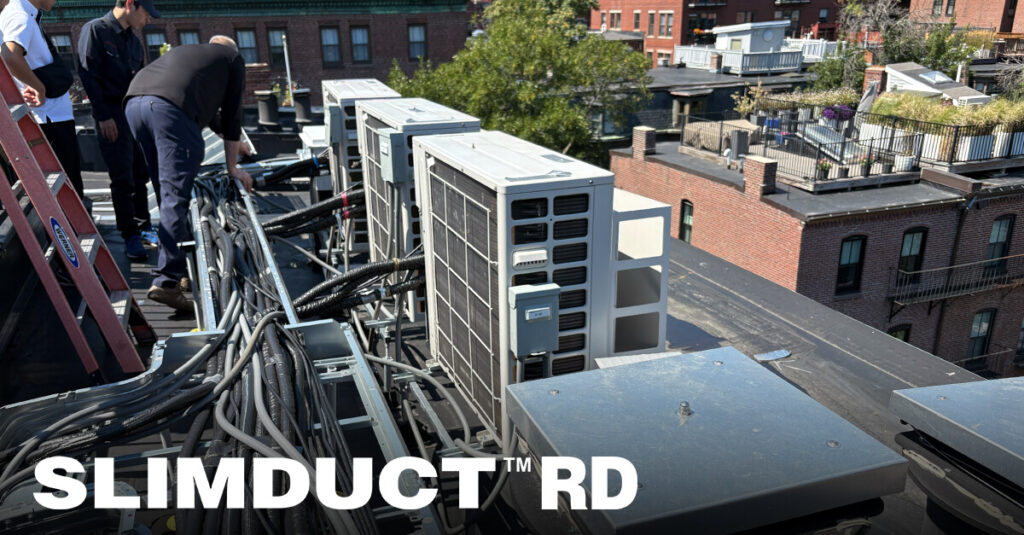
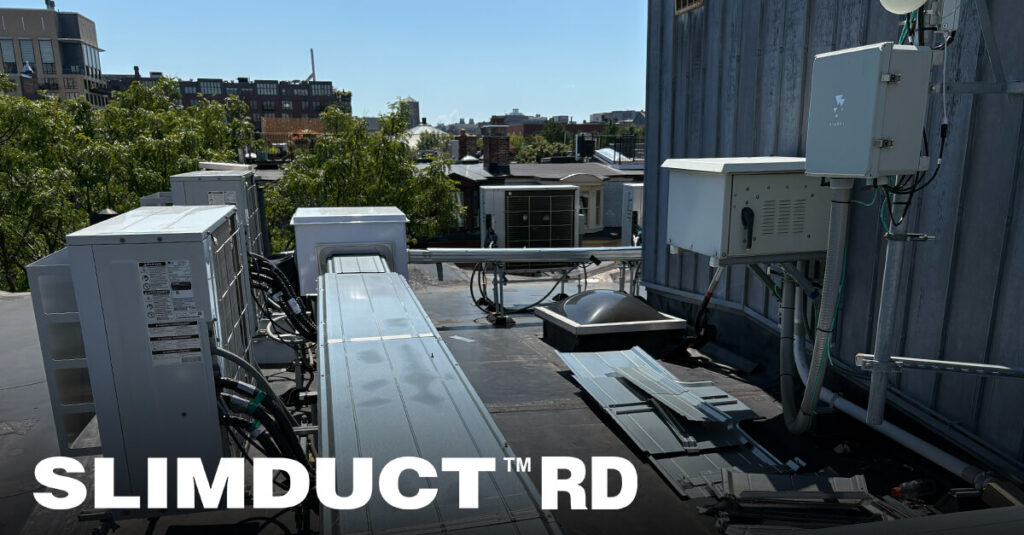
During a recent retrofit at a Boston apartment building, engineers found that the refrigerant lines required replacement due to exposure, which posed a risk to system efficiency. The project was upgraded using Slimduct RD.
It’s a heavy-duty, hot-dipped, chromium-free coated steel system. The remediation not only restored the system’s integrity but also turned the installation into a model of secure, compliant, and durable HVAC design.
Key Takeaways from the Case Study
- Always assess existing linesets during replacement projects to prevent hidden issues.
- Never reuse contaminated or damaged copper lines, as they can compromise the entire system.
- Follow manufacturer guidelines for flushing and testing to keep the refrigerant system clean and efficient.
- Protect remediated or new linesets with high-grade enclosures for long-term durability and performance.
The Bottom Line
Proper lineset remediation is more than just a step in the installation process. It’s an investment in your system’s performance, reliability, and safety. Whether you are replacing an aging system or correcting an installation mistake, taking the time to clean, test, and protect your refrigerant lines will help your system stand the test of time.
By using the right practices and protective products from Inaba Denko America, like Slimduct RD, you can improve your system’s durability, performance, and aesthetics. Proper lineset management is an investment that pays off in the long run.
Contact us to discuss your project and how our products can help.
FAQs
1. What is the purpose of HVAC lineset remediation?
Lineset remediation removes contaminants like burnt oil or acids from refrigerant lines. This step helps keep your system running smoothly by preventing issues like compressor failure and leaks, making sure your HVAC system operates efficiently.
2. How can I protect my refrigerant lines?
You can protect your refrigerant lines with a Slimduct RD commercial lineset cover. It guards against UV rays, corrosion, and mechanical damage, helping maintain system integrity for the long term.
3. When should HVAC linesets be replaced?
HVAC linesets should be replaced if they are severely damaged, contaminated, or have lost their insulation. If they show signs of wear, like cracking or corrosion, it’s time for a replacement to prevent system failures.
4. Why are line set hangers important?
Line set hangers, like the SVR SuperLock, keep refrigerant lines aligned and prevent mechanical stress. They help maintain proper insulation, reducing the risk of refrigerant flow issues and improving overall system efficiency.
5. How does lineset remediation improve system performance?
Lineset remediation removes contaminants from copper lines, preventing them from circulating through the system. This helps maintain optimal refrigerant flow and prevents damage to components like expansion valves and coils.
