
TLDR:
Mini-split HVAC systems offer excellent energy efficiency, flexible zoning, and easy, ductless installation, making them ideal for retrofits and additions. However, they involve higher upfront costs, routine maintenance requirements, and performance limitations in extreme cold, requiring careful planning before installation.
Every HVAC contractor eventually gets the question: are mini-split systems worth the investment?
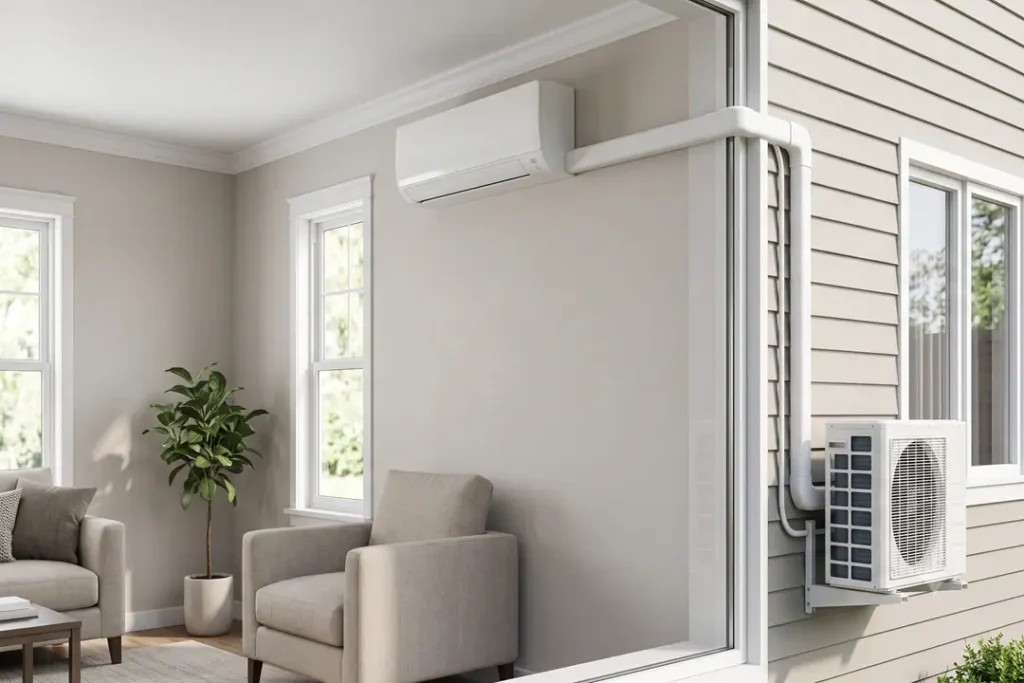
The honest answer is that it depends on your property, the climate, and what you actually want out of your comfort system. The mini-split setup pairs an outdoor compressor with one or more indoor wall-mounted heads. It does this without a single foot of ductwork. That simplicity is exactly why so many contractors recommend installing ductless mini-splits on retrofits, additions, and renovations where running duct isn’t practical.
But like any other HVAC solution, mini-splits come with a few tradeoffs. You get excellent energy efficiency, flexible zoning, and easier installation in many retrofit applications. At the same time, higher upfront costs, visible indoor units, ongoing maintenance, and cold weather performance are all factors worth discussing with your clients before installation.
This post will walk you through both, helping you make an informed decision.
Energy Efficiency and Operating Cost Savings
The biggest draw for mini-split systems is energy efficiency. Unlike traditional systems that cycle on and off at full capacity, inverter-driven compressors continuously adjust their output to match the heating or cooling demand. This reduces unnecessary energy use and helps maintain a more consistent indoor temperature.
Many modern mini-split systems also achieve higher SEER2 ratings than conventional central HVAC systems. Since each indoor unit operates independently, you heat or cool only occupied rooms, not the entire building. If you actively manage room temperatures, this zoning capability can noticeably reduce monthly utility costs.
Modern mini-split systems are also perfect for spaces with changing occupancy, such as home offices, guest rooms, conference rooms, or retail spaces where certain areas are used more frequently than others.
Installation Flexibility and Design Constraints
If you regularly work on renovations or additions, ductless mini-splits offer valuable installation flexibility. Without ductwork, you avoid opening walls, modifying ceilings, or making extensive structural changes. This reduces disruption and speeds up the installation process in many retrofit projects.
Ductless mini-splits are especially practical for:
- Home additions
- Garages and workshops
- Historic homes
- Condos and townhomes
- Converted attics or basements
However, installation planning still matters. The outdoor condenser requires proper clearance for airflow, drainage, and future servicing. Refrigerant piping also requires careful routing between the indoor and outdoor units.
Many contractors install protective lineset covers to keep refrigerant piping organized while protecting it from weather exposure and accidental damage. Although these accessories add some material and labor costs, they contribute to a cleaner finished appearance and simplify future maintenance.
Zone Control and Comfort Customization
Another major mini-split advantage is individualized comfort. Each indoor unit includes its own thermostat, allowing occupants to select different temperatures for different rooms.
Instead of finding one compromise temperature for an entire building, every occupied space can be adjusted independently. Family members with different comfort preferences can set temperatures that suit their needs without affecting the rest of the house.
Modern mini-split systems can support anywhere from two indoor heads to eight or more, depending on equipment capacity. This flexibility makes them well suited for homes with multiple bedrooms, offices, classrooms, and light commercial spaces.
Still, energy savings depend on user behavior. If every indoor unit remains active at the same temperature throughout the day, operating costs may resemble those of a traditional central system. The greatest savings happen when occupants regularly adjust or turn off unused zones.
Upfront Cost and Long-Term Value Proposition
Higher initial investment is one of the most discussed mini-split disadvantages. Equipment and installation costs can range from 30% to 50% higher than many comparable central air systems, depending on the number of indoor units and the complexity of the installation.
That higher price often discourages buyers at first. However, operating savings over time may offset much of the additional investment. Many homeowners recover the difference over seven to ten years through reduced energy consumption, although actual results vary based on climate, utility rates, and usage habits.
You can also help clients evaluate available financing programs and local utility rebates. Incentives may significantly reduce the initial cost and make ductless mini-splits more attractive for energy-conscious property owners.
Performance Limits in Cold Climates and Maintenance Requirements
Although today’s mini-split systems perform better in winter than earlier generations, every system has operating limits.
As outdoor temperatures approach freezing and continue to fall, heating efficiency gradually decreases. During extremely cold conditions, supplemental heating may activate, reducing some of the energy savings that make these systems attractive.
Defrost cycles are another normal operating characteristic. In freezing weather, outdoor units periodically reverse operation to remove accumulated frost from the coil. These cycles typically occur every 30-90 minutes when conditions are severe and may produce temporary sounds that clients should expect.
Maintenance also deserves attention. Indoor filters require annual cleaning or replacement based on manufacturer recommendations, while indoor and outdoor coils benefit from periodic inspection and cleaning.
Refrigerant leaks present another concern. Even small leaks reduce efficiency, affect comfort, and require diagnosis by certified HVAC professionals before repairs can be completed.
Setting realistic maintenance expectations helps clients protect system performance throughout its service life.
System Sizing, Capacity Limits, and Application Fit
Selecting the correct equipment size remains one of the most important installation decisions.
A single outdoor unit has a maximum capacity that is shared across all connected indoor heads. As more indoor units operate simultaneously, available capacity is divided between them.
Large homes exceeding roughly 3,000 square feet may require two outdoor units, increasing installation costs and overall system complexity. In these situations, hybrid designs or conventional central systems may provide a better solution.
The strongest applications for ductless mini-splits include:
- Condominiums
- Townhomes
- Home additions
- Older homes without existing ductwork
- Individual offices
- Server rooms
- Bonus rooms
Buildings with large open floor plans may benefit less from zoning because most spaces share the same temperature requirements. In these situations, added flexibility may not justify the additional investment.
Matching the equipment to the building layout remains one of the best ways to maximize long-term value.
Frequently Asked Questions
Are Mini Split Systems Noisy?
Indoor units operate very quietly, often around 22 decibels. Outdoor compressors typically produce 50 to 60 decibels, depending on equipment and installation location. During winter, defrost cycles may create additional operating sounds.
Do Mini Splits Work in Extreme Cold Climates?
They continue operating in cold weather, but heating performance declines as outdoor temperatures fall below 32°F. Supplemental heating may engage during prolonged freezing conditions, making them less suitable for areas with sustained subzero temperatures.
How Often Do Mini Splits Require Maintenance?
Most manufacturers recommend annual filter cleaning along with periodic indoor and outdoor coil inspections. Compared with central air systems, mini-split systems require more frequent attention because each indoor unit contains its own filter and air handling components.
Can Mini Splits Handle Very Large Homes?
They can, but capacity has practical limits. Homes larger than approximately 3,000 square feet often require two outdoor units, increasing installation costs and design complexity.
Choose the Right Mini Split for Your Project
The advantages and disadvantages of mini-split systems become much clearer when you evaluate your building, climate, and how occupants will use each space. Their high efficiency, flexible zoning, and simple retrofit installation make them an excellent option for additions, renovations, and compartmentalized floor plans.
At the same time, higher upfront costs, routine maintenance, and reduced efficiency during very cold weather should be part of every installation discussion. By setting realistic expectations and selecting equipment that fits the application, you can help your clients make informed long-term decisions that match their comfort goals and budget.
Inaba Denko America provides reliable accessories that support all professional HVAC solutions, including lineset covers, condensate management products, and pipe support systems. These products help you install clean, organized, and dependable mini-split systems from start to finish.
Request a distributor quote now!
